Authentic Palestinian Musakhan Recipe at Home
Introduction
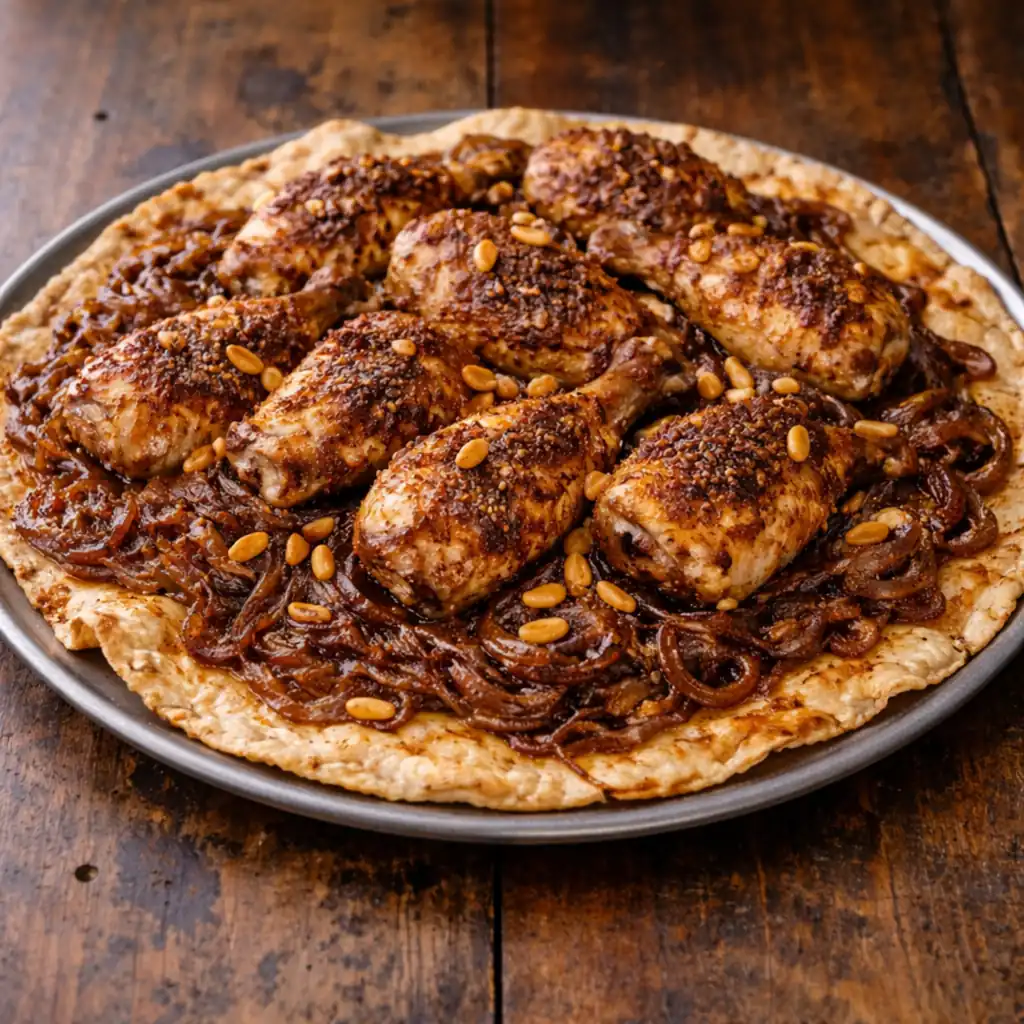
Palestinian musakhan recipe is a traditional Palestinian dish made with roasted chicken, slow-cooked onions, olive oil, and sumac, served over warm flatbread. It is considered the national dish of Palestine and is most commonly prepared during olive harvest season, when fresh olive oil is available.
This Palestinian musakhan recipe explains the authentic method step by step, using simple ingredients and clear techniques that work in a home kitchen. The focus is on proper onion cooking, correct seasoning, and assembling the dish so the bread absorbs flavor without becoming soggy.
What Is Musakhan?
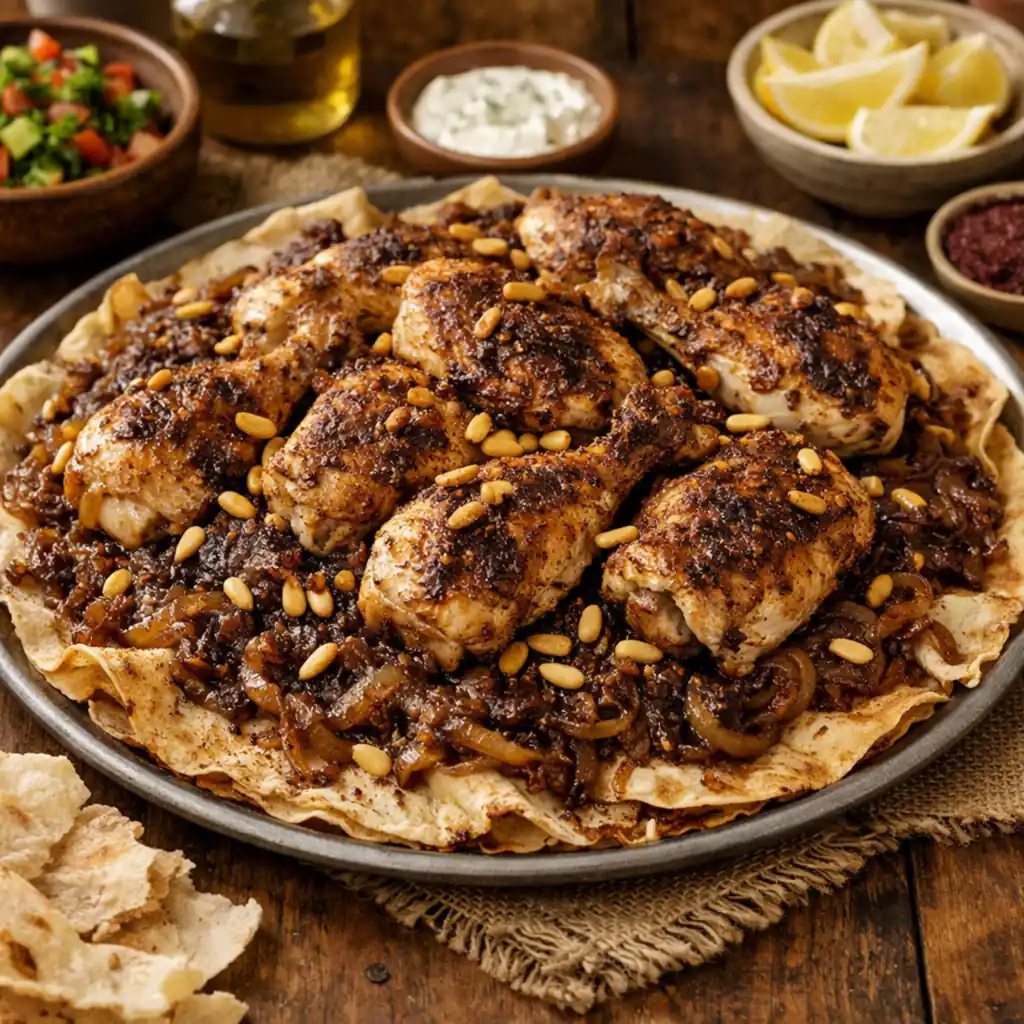
Musakhan is the national dish of Palestine. The word musakhan translates roughly to “heated,” which describes both how the dish is served and how it is built. Warm flatbread is covered with hot, oil-soaked onions, topped with roasted chicken, and eaten immediately while everything is still warm.
A traditional Palestinian musakhan recipe uses roasted chicken seasoned with sumac and warm spices, served over flatbread that has absorbed olive oil and onion juices. Toasted nuts are added for texture, but the main flavor always comes from onions, olive oil, and sumac.
Musakhan is strongly tied to olive harvest season. Freshly pressed olive oil is used generously, which is why this dish never tastes light or dry when done correctly. Olive oil is not a garnish here—it is part of the structure of the dish.
This is not a knife-and-fork meal. Musakhan is traditionally eaten by hand, tearing bread and scooping onions and chicken together. The dish is meant to be shared from a large platter, not plated delicately.
Equipment
You do not need special equipment for this Palestinian musakhan recipe, but the right basic tools make the process easier.
- Roasting pan or large baking sheet for the chicken
- Large, wide pan or pot for cooking onions
- Sharp knife
- Cutting board
- Wooden spoon or spatula
- Large serving platter
A wide pan is important for the onions. Crowded onions steam instead of softening properly, which affects both texture and flavor.
Ingredients
The ingredient list for this Palestinian musakhan recipe is short, but each ingredient matters.
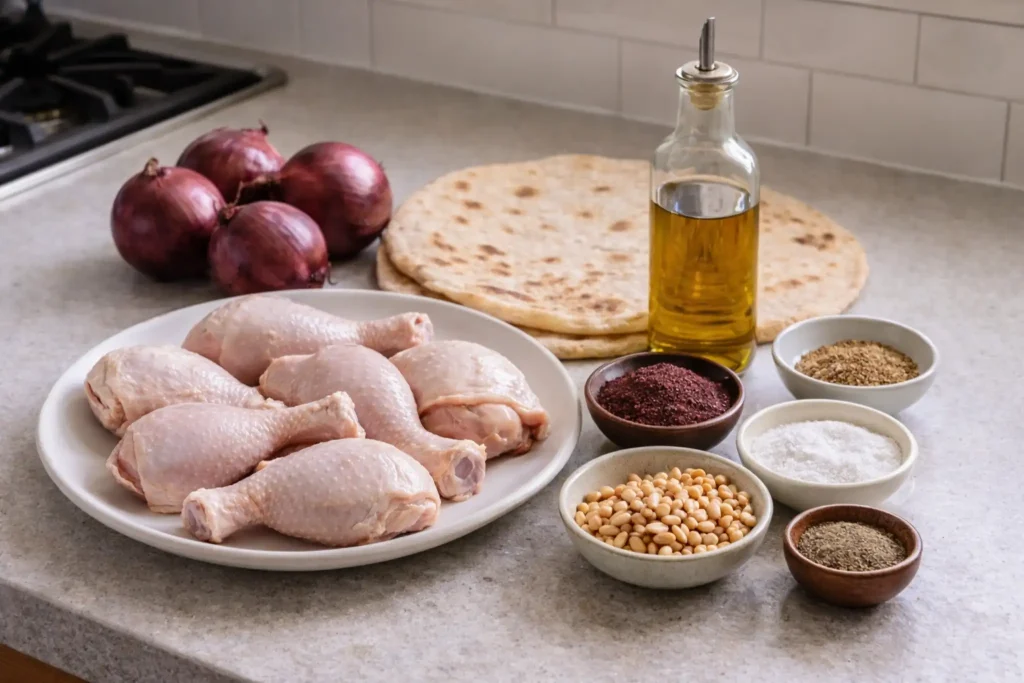
For the Chicken
- Bone-in chicken pieces (legs, thighs, or a whole chicken cut into pieces)
- Extra virgin olive oil
- Sumac
- Allspice
- Cinnamon
- Black pepper
- Salt
- Fresh lemon juice (optional)
Bone-in chicken is preferred because it stays moist during roasting and absorbs seasoning more evenly.
For the Onions
- Red onions
- Extra virgin olive oil
- Sumac
- Salt
- Black pepper
Red onions soften well and balance the tangy flavor of sumac without becoming overly sweet.
For Assembly
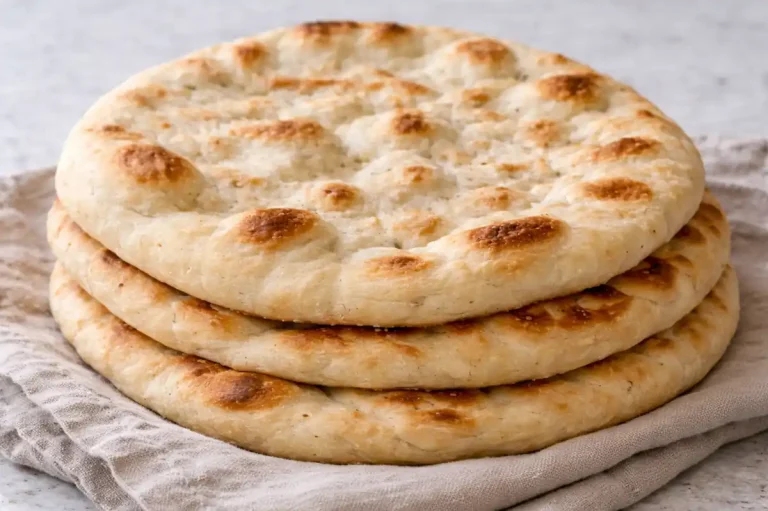
- Flatbread (taboon bread if available, otherwise naan or thick pita)
- Toasted pine nuts or almonds
Avoid thin pita bread. It tears easily once it absorbs onion juices and olive oil.
Instructions
Cooking the Chicken
- Preheat the oven to 350°F (180°C).
- Pat the chicken dry with paper towels. This helps the skin roast properly.
- Place the chicken pieces skin-side up in a roasting pan.
- Drizzle generously with olive oil. The chicken should be well coated, not lightly brushed.
- Season with salt, black pepper, allspice, cinnamon, and sumac.
- Rub the seasoning evenly over the chicken, including under the skin if possible.
- Add a small squeeze of lemon juice if using.
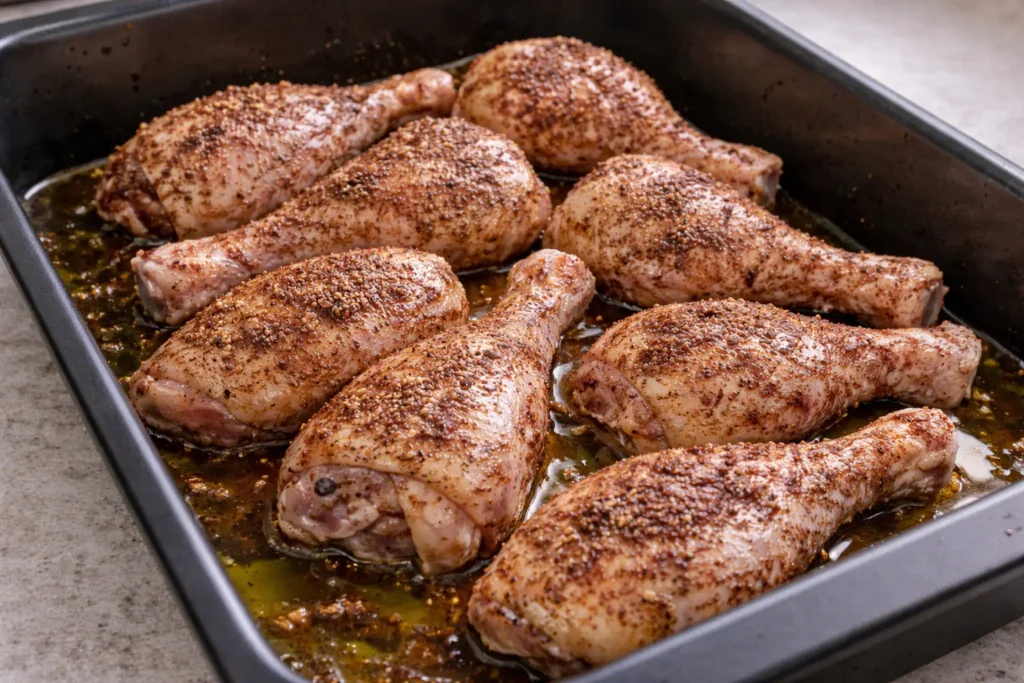
Roast the chicken uncovered for 50–60 minutes.
How to know the chicken is ready:
The skin should look golden and lightly crisp. The chicken should smell roasted and savory, not steamy or raw. When pierced, the juices should run clear.
If deeper color is needed, place the pan under the broiler for 2–3 minutes at the end, watching carefully to prevent burning.
Cooking the Onions
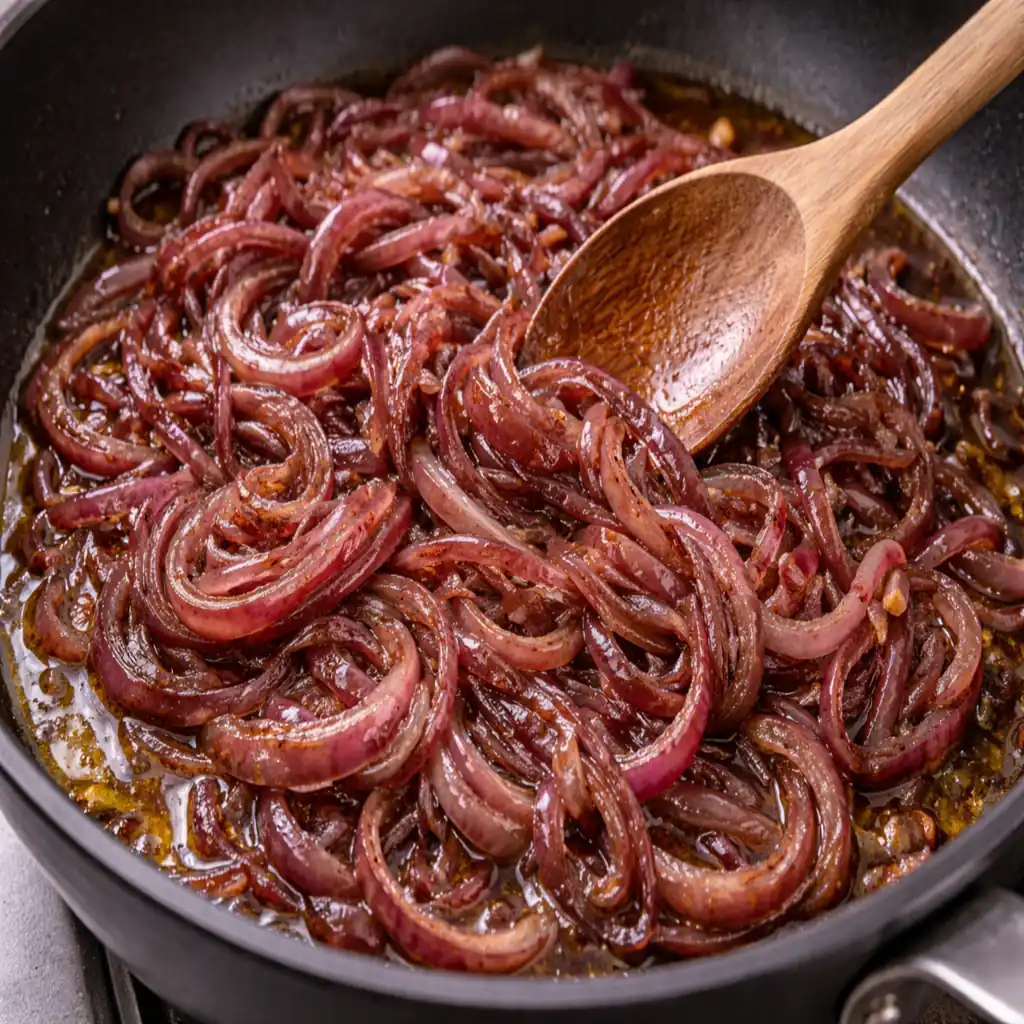
This step defines whether your Palestinian musakhan recipe tastes rich or flat. Do not rush it.
- Peel and finely chop the onions. They should be small enough to soften evenly but not minced.
- Add the onions and olive oil to a wide pan over medium-low heat.
- Cook slowly for 25–35 minutes, stirring occasionally.
At first, the onions will release moisture. Over time, they will soften, shrink, and turn glossy. They should not fry aggressively or brown deeply.
Season with salt and black pepper early. Add a generous amount of sumac during the last 10 minutes of cooking.
Texture check:
When pressed with a spoon, the onions should collapse easily and look almost jam-like. If they look dry or start sticking, add a tablespoon of water and continue cooking.
Assembling Musakhan
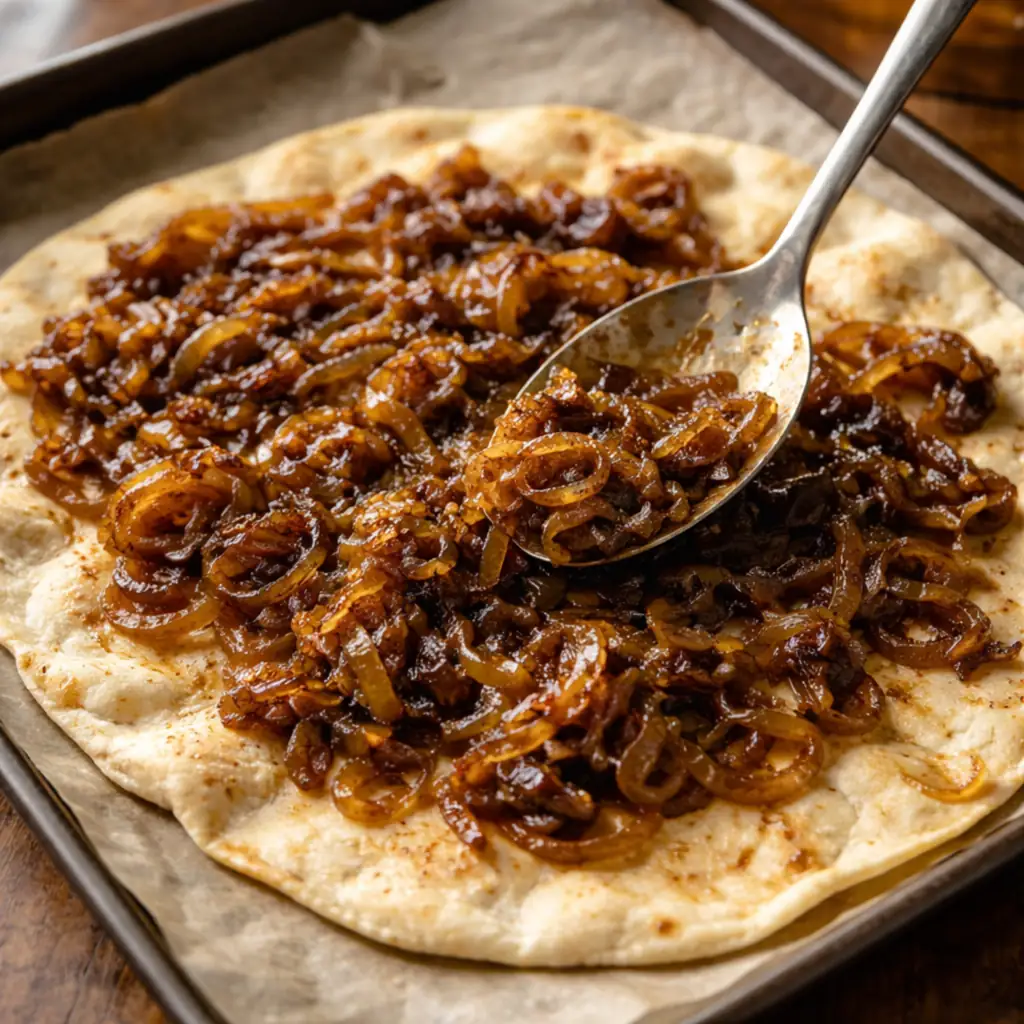
- Place the flatbread on a baking sheet.
- Spread a thick, even layer of the cooked onions over each bread. The bread should be fully covered, but not drowning.
- Drizzle lightly with olive oil.
- Place under the broiler for 2–3 minutes, just until warm and lightly crisp at the edges.
- Top with roasted chicken pieces.
- Sprinkle toasted nuts over the top.
Serve immediately while everything is warm.
For gatherings, layer multiple breads on a large platter and place the chicken on top.
Substitutions and Variations
- Boneless chicken can be used, but the flavor will be lighter.
- Yellow onions can replace red onions if needed, though the flavor will be slightly sweeter.
- Almonds or cashews can replace pine nuts.
- Naan works well if taboon bread is unavailable.
Avoid sweet onions, which can overpower the tanginess of the sumac.
Expert Tips
- Do not rush the onions. Most musakhan problems come from undercooked onions.
- Use good olive oil. This dish depends on it for flavor and texture.
- Season boldly. Musakhan is not meant to be mild.
- Assemble just before serving to prevent soggy bread.
- For easier eating, debone the chicken after roasting and place the meat on the bread.
When cooking this Palestinian musakhan recipe at home, extra onions are never a mistake. Leftover onions are often the best part.
Storage and Reheating
- Store chicken and onions separately in airtight containers.
- Refrigerate for up to 2 days.
Reheating:
- Reheat chicken gently in a covered pan with a splash of water.
- Warm onions slowly over low heat.
- Assemble fresh bread before serving.
Avoid reheating fully assembled musakhan.
Is sumac essential in a Palestinian musakhan recipe?
Yes, sumac is essential in a Palestinian musakhan recipe.
Can Palestinian musakhan recipe be made ahead of time?
The chicken and onions can be cooked a day ahead, but assembly should be done just before serving.
What bread is best for musakhan?
Taboon bread is traditional, but naan or thick pita works well.
Is musakhan spicy?
No. It is tangy and savory, not hot.
Is musakhan eaten with utensils?
Traditionally, it is eaten by hand.

One Comment